You post consistently. You reply to comments. You might even have a decent follower count. But when you check your analytics, the number that matters most—actual customers coming from social media—remains stubbornly low.
If this sounds familiar, you’re not alone. Many business owners invest time, energy, and money into social media only to wonder why it isn’t translating into sales. The frustration is real, but the solution isn’t to post more often or try another trend.
The reality is that social media for customer acquisition requires a fundamentally different approach than most businesses use. Let’s break down exactly what’s holding your business back—and what you need to change.
The Hard Truth About Followers
A large following looks impressive, but it doesn’t pay the bills. Having thousands of followers doesn’t automatically mean having customers. Those numbers can create a false sense of success that masks a deeper problem: your content might be entertaining, but it isn’t converting.
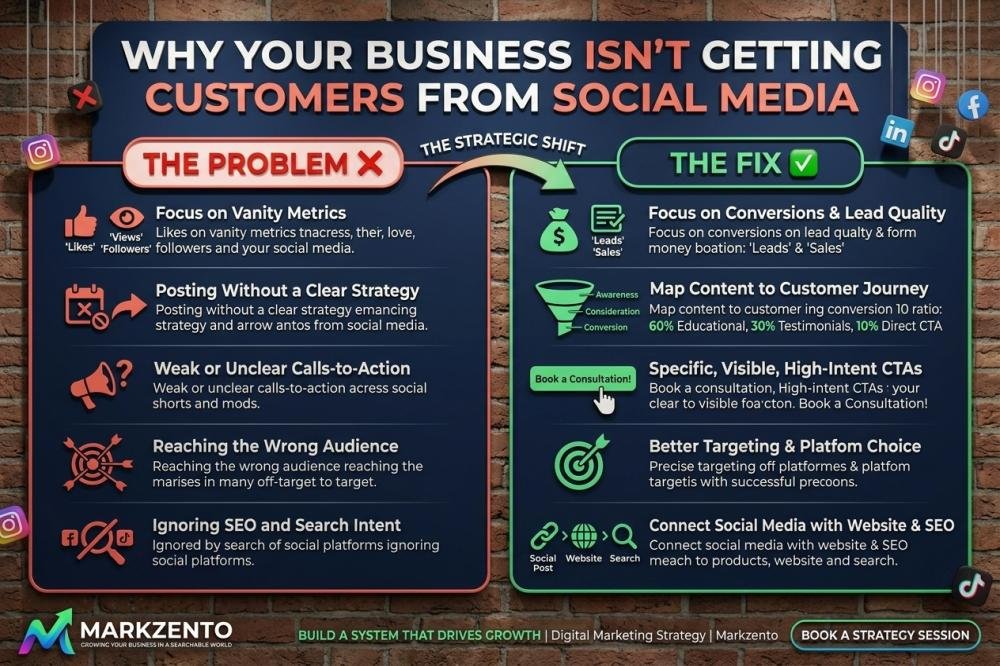
Many businesses measure success by vanity metrics—likes, shares, and follower growth—rather than what actually matters for business growth. The distinction is critical. Engagement feels good, but engagement alone does not generate revenue. Conversions do.
When a post goes viral, it can feel like a major win. But if that viral moment doesn’t lead to inquiries, website visits, or sales, it’s just noise. Digital marketing for business growth means tracking actions that move people closer to becoming customers, not just collecting passive attention.
What’s Actually Going Wrong
Posting Without a Clear Strategy
Posting randomly or chasing trends without a plan is one of the most common mistakes businesses make. A social media lead generation strategy isn’t about throwing content at the wall and hoping something sticks. It requires a deliberate approach that guides potential customers through a journey.
Every piece of content should serve a purpose. Some content builds awareness. Some builds trust. Some invites action. When you post without mapping content to these stages, you miss the opportunity to move people forward.
Creating Content That Gets Views but Doesn’t Generate Leads
Views are not leads. A video that gets thousands of views might be entertaining, but if it doesn’t connect to what your business offers, those viewers won’t become customers.
Conversion-focused content doesn’t mean aggressive selling. It means creating content that answers questions, addresses objections, and demonstrates value. By the time someone sees your call-to-action, it should feel like a natural next step rather than a sales pitch.
Weak or Unclear Calls-to-Action
Many businesses assume followers will know what to do next. They won’t.
A clear call-to-action tells people exactly what you want them to do—visit your website, book a consultation, or send a message. Without this guidance, even interested followers will scroll past without taking action. Your CTA should be specific, visible, and aligned with what your audience is ready to do.
Poor Targeting and Reaching the Wrong Audience
Even the best content won’t convert if it’s reaching the wrong people. Social media platforms offer powerful targeting tools, but many businesses either ignore them or use them poorly.
Instead of trying to reach everyone, focus on the platforms where your target customers actually spend their time. For some businesses, that’s Facebook and community groups. For others, it might be Instagram, TikTok, or LinkedIn. Trying to be everywhere often means being effective nowhere.
Inconsistent Branding and Messaging
When your social media presence doesn’t match your website or other marketing materials, it creates confusion. Potential customers may question whether they’re in the right place or whether your business is professional and trustworthy.
Your branding—visuals, tone, and messaging—should be consistent across every channel. This consistency builds recognition and trust over time. Replacing stock photos with authentic images of your team, sharing behind-the-scenes content, and showing your real story can help audiences feel more connected to your brand.
Ignoring SEO and Search Intent
Social media and SEO for business are not separate strategies. They work together. When you create content that addresses what people are actually searching for, you increase your chances of being discovered.
People use social media platforms as search engines too. Many users research products, services, and businesses directly on platforms like Instagram and TikTok before making decisions. Ignoring the search behavior of your audience means missing opportunities to connect with people who are already looking for what you offer.
Not Tracking Conversions and Important Metrics
If you aren’t tracking what happens after someone engages with your content, you can’t know what’s working. Many businesses measure followers, impressions, and engagement but never connect those metrics to actual business outcomes.
Using tools like UTM links, Google Analytics, and platform-specific analytics can help you understand which content and channels actually generate leads. Without this data, you’re guessing—and guessing is expensive.
Why Social Media, Website, SEO, and Paid Advertising Should Work Together
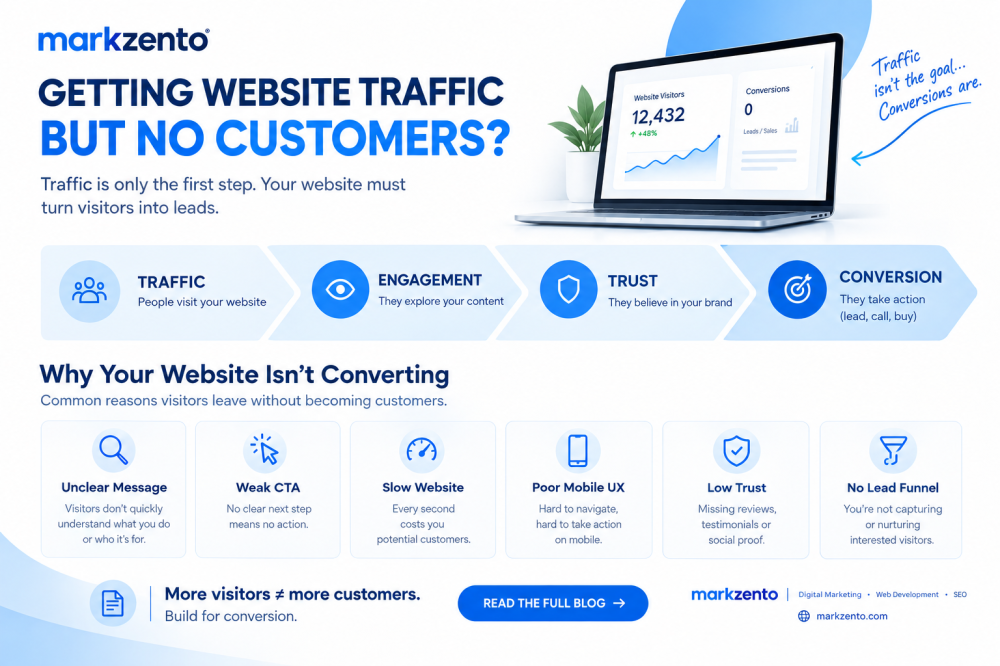
One of the biggest mistakes businesses make is treating each marketing channel as if it operates in isolation. Social media can create awareness, but if your website doesn’t convert visitors into inquiries, much of that effort is wasted. Similarly, great SEO can bring traffic, but without compelling social proof and clear messaging, visitors may leave without taking action.
Digital marketing works better when every channel supports the same business goal. SEO, content, social media, email, and your website should all move potential customers toward a clear next step.
For example, a customer might first discover your business through a search engine, later see your social media content, visit your website, read additional information, and eventually make an enquiry. If any part of that chain is weak, you risk losing them before they convert.
This interconnected approach is where professional digital marketing for business expertise becomes valuable. An experienced partner can help you build a system where each channel reinforces the others, rather than operating as separate activities.
A Practical Framework to Improve Your Results
1. Define What a Conversion Actually Means for Your Business
A conversion isn’t just a sale. It could be a website visit, a booked consultation, a DM inquiry, or an email signup. Define the actions that move people closer to becoming customers, and focus your efforts on driving those specific outcomes.
2. Map Your Content to the Customer Journey
Not all content should serve the same purpose. Use a balanced approach:
- Awareness content (60%): Educational posts, behind-the-scenes content, thought leadership
- Consideration content (30%): Case studies, testimonials, FAQ content, comparison posts
- Conversion content (10%): Direct offers, clear CTAs, consultation invitations
This structure keeps your feed valuable without feeling overly sales-focused.
3. Focus on the Platforms Where Your Customers Actually Spend Time
Identify where your ideal audience is most active and concentrate your efforts there. It’s usually better to maintain a consistent presence on a few relevant channels than to spread your efforts too thin.
4. Create Content That Builds Trust
People buy from businesses they trust. Share real client results, showcase your team, answer common questions, and demonstrate your expertise. Authentic content that shows who you really are often generates stronger engagement and higher-quality leads than polished but impersonal posts.
5. Make Your Call-to-Action Impossible to Miss
Be specific about what you want people to do next. Whether it’s “DM us to learn more,” “Visit our website to book,” or “Click the link in our bio,” make the next step clear and easy.
6. Connect Your Website and Social Media
Your website should be built to convert the traffic you generate from social media. A site that loads slowly, has unclear messaging, or makes it difficult to inquire will waste the attention you’ve worked hard to create.
7. Track What Matters
Set up proper tracking so you can see which content and channels actually generate leads. Review your data regularly and adjust your strategy based on what the numbers tell you.
When to Bring in Professional Help
Building an effective social media for customer acquisition system takes time, expertise, and consistent effort. Many business owners find that while they understand the value of digital marketing, they simply don’t have the time to manage every detail effectively.
At Markzento, we help businesses connect their digital marketing efforts into a cohesive system that actually drives results. We don’t just post content—we build strategies that move people from awareness to action, across social media, SEO, paid advertising, and your website.
Whether you’re struggling to generate leads, unsure which channels to prioritize, or simply don’t have the time to manage it all, we can help you build a marketing system that works.
Followers indicate passive interest, not purchase intent. To convert followers into customers, you need clear calls-to-action, content that builds trust, and a system that guides people toward taking action. Many businesses also struggle because their website or inquiry process isn’t designed to convert traffic.
Consistency matters more than frequency. Posting once daily with valuable, relevant content is better than posting several times a day with mediocre material. Focus on quality and alignment with your goals rather than chasing a specific number.
Both serve different purposes. Organic content builds long-term relationships and credibility, while paid ads can help you reach new audiences and promote specific offers. A strong strategy typically includes both. Starting with organic content to test what resonates can help guide your paid advertising decisions.
Track actions that connect to business outcomes: website visits from social channels, inquiries or messages received, form submissions, booked consultations, and actual sales. These metrics matter more than likes, shares, and follower counts.
Focus on improving your existing content quality, clarifying your call-to-action, engaging with your audience in comments and DMs, and ensuring your website converts visitors once they arrive. Better targeting of your current content often produces better results than simply creating more content.
1. Why do I have followers but no customers from social media?
Followers show passive interest, not purchase intent. Converting them requires clear calls-to-action, trust-building content, and a customer journey that guides people from awareness to action. Many businesses also lose potential customers at their website or inquiry stage.
2. How often should a small business post on social media?
Consistency is more important than frequency. Posting once daily with valuable, targeted content is better than several daily posts that lack strategy. Focus on quality, relevance, and alignment with your business goals.
3. Is paid social media advertising worth it for small businesses?
Yes, when used strategically. Organic content builds relationships, while paid ads can expand your reach to new audiences and promote specific offers. Starting with organic content helps you identify what resonates before investing in ads.
4. What metrics actually matter for social media ROI?
Track website visits, inquiries, form submissions, booked consultations, and sales that originate from social channels. These business outcomes matter more than likes, shares, and follower counts.
5. How can I generate leads from social media without increasing my budget?
Improve your content quality, clarify your call-to-action, engage genuinely with your audience, and ensure your website converts the traffic you send to it. Better execution often outperforms more content.